Inside the Labyrinth of Feria Internacional del Libro, Buenos Aires 2026
Written by KUCI on May 9, 2026
From Buenos Aires, a doorway into what’s next
By Tanya Zabalegui
Photos courtesy of La Fundación Libro; Sebastian Freire and Sebastian Motta
Memory takes center stage as the Buenos Aires Book Fair turns 50
This year’s fair takes its theme — “memory and future” — and opens it up through conversations, reflections, and new formats that revisit censorship during the dictatorship, honor Jorge Luis Borges, and imagine what reading and publishing might look like in the years ahead.
I’ve attended a myriad of book fairs, conferences, author events, and festivals, but on April 21, 2026, when I stepped into the Buenos Aires International Book Fair, it felt like walking into a living archive — a place where memories, books, and voices all breathed in the same space. The Buenos Aires FIL is one of the most significant literary events in the Spanish‑speaking world, and being there felt extraordinary.
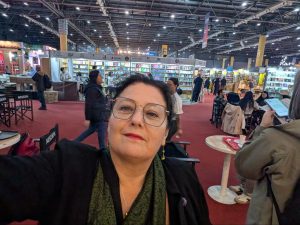
Credentials checked at the Press Office, I headed in — and honestly, the place was massive, just take a look at the layout. I wandered for a while just to take it all in.
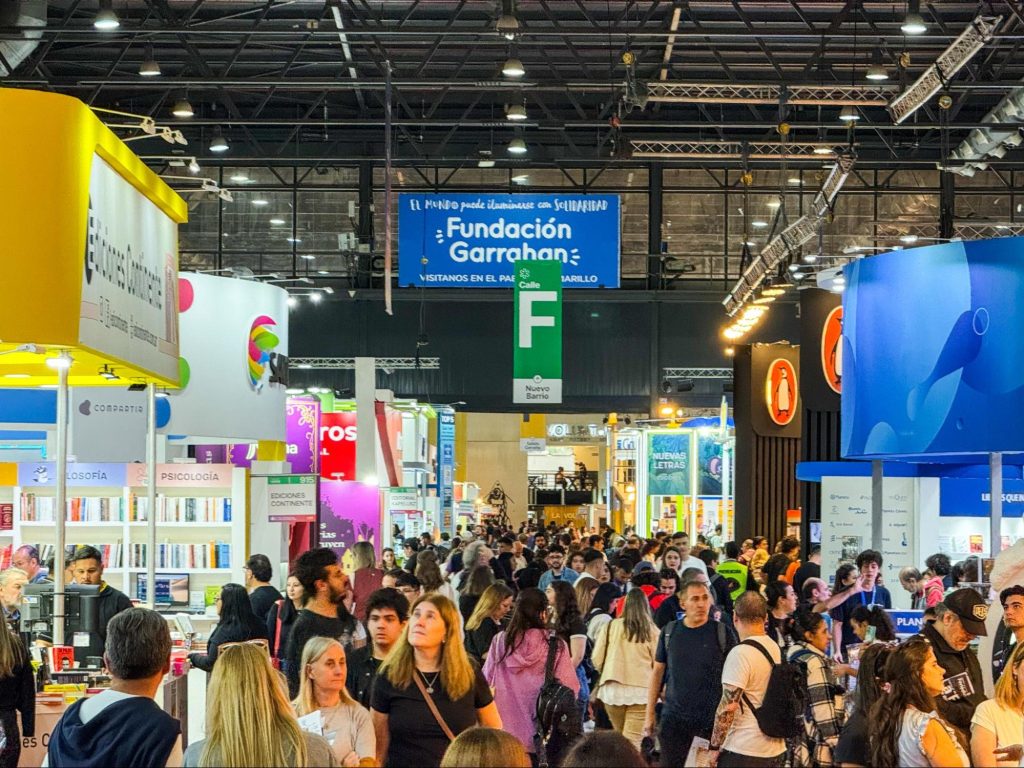
Within minutes of entering one of the pavilions, it became clear how deeply the fair is tied to Argentine history. And in this 50th anniversary, the fair didn’t just look back — it placed its past right at the center of the program. Held at La Rural Exhibition Center in Palermo and organized by Fundación El Libro (The Book Foundation) since 1975, the fair carries that history in its bones. Its timing is symbolic: the very first fair opened in April 1975, just one year before the military coup of March 24, 1976. And with 2026 marking the 50th anniversary of that coup — the beginning of the country’s last military dictatorship — literature and human rights naturally move to the center of this year’s program.
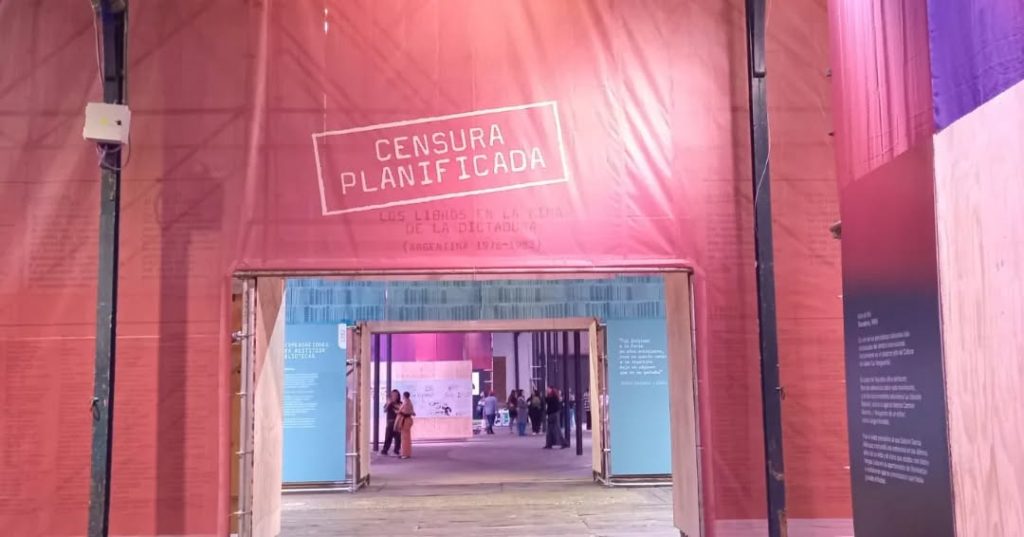
One of the most striking installations was an exhibition on books and authors censored during the brutal military dictatorship, which lasted until 1983. The display highlighted banned works and invited reflection on the role of the publishing industry under repression — and how those pressures echo in present‑day challenges. Again and again, conversations returned to the danger, the courage, and the ethical weight of speaking out during the years surrounding Argentina’s last dictatorship.
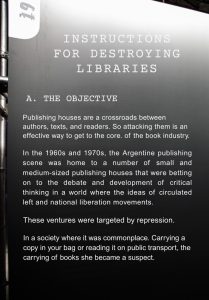
Several panel discussions returned to that founding moment, recalling how writers who spoke publicly back then did so under real threat. They reflected on their lives, their ethics, and the cost of thinking out loud as censorship and violence closed in.
The Conversations Beneath the Conversations
I came looking for cultural storytelling — voices and encounters that could travel across countries and airwaves, opening doors to author interviews, cultural features, and new literary segments. Beyond my live bilingual music show, Oldies en Español, this work marks an expansion for me: a way to deepen community storytelling and engage more fully with Latin American and Spanish literary voices across audio, radio, and the web. What I found was a festival thinking about the same things — how memory shapes the future, how stories move us, and how they shape what comes next.
After settling into my surroundings, that intention slowly began to take shape. Conversations sparked up in the in‑between spaces — while waiting in line, sitting shoulder‑to‑shoulder before events began, or during Q&A sessions that stretched well past the scheduled program. In those pockets of time, I met authors, publishers, industry experts, professors, and entrepreneurs.
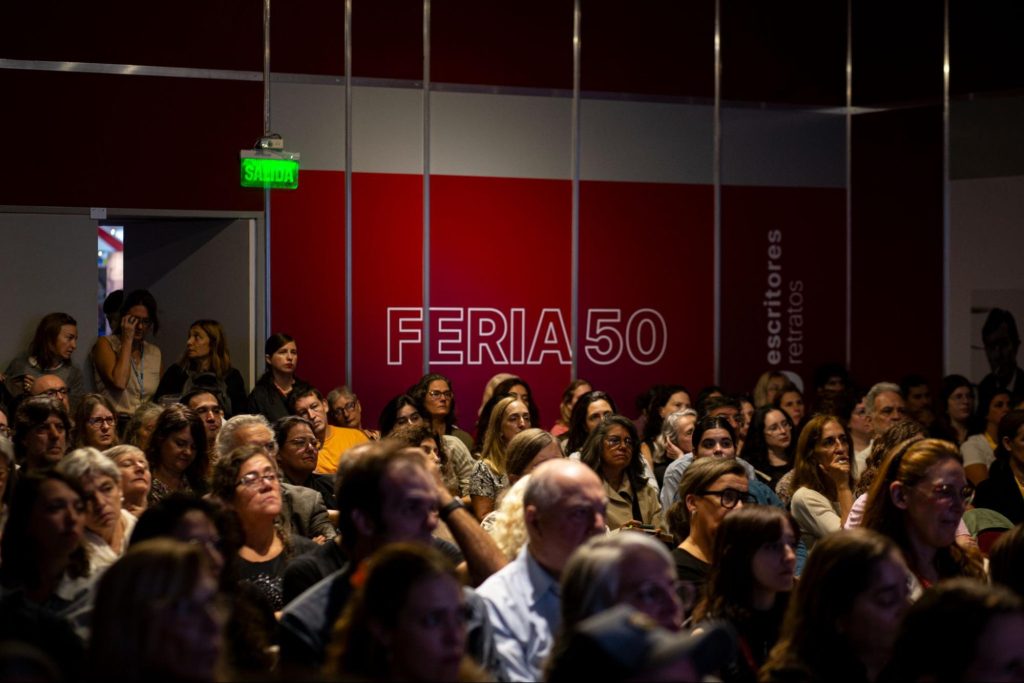
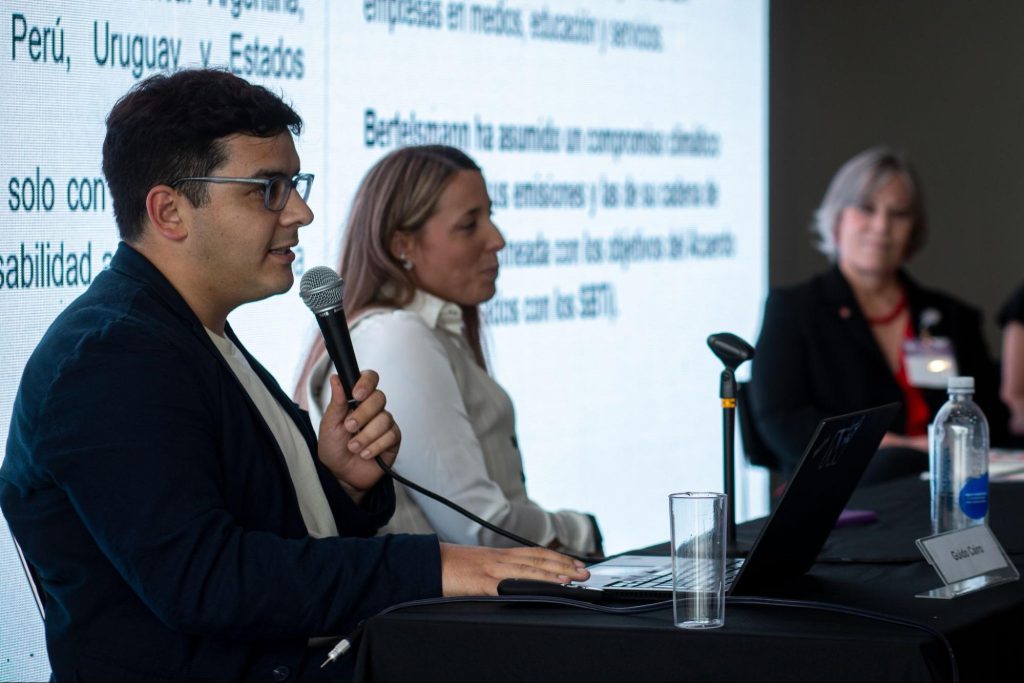
After a presentation wrapped up I approached the speaker, the CEO and founder of Bibliomanager, a company advancing the ‘sell, then print’ model, a print‑on‑demand system that breaks down editorial borders and supports local printing. While standing in line, I met the Editorial Director of a digital legal publishing house; she explained her work as a tech attorney and even offered a book recommendation by a local author from a province in Argentina — someone who, coincidentally, now lives in Colorado. I was in the front row of a talk about decarbonization and environmental efficiency goals in the book industry. There, I met Matias who leads sustainability projects at Penguin Random House Grupo Editorial, working across Latin America and Miami to shrink the publishing industry’s carbon footprint.
As I waited for a session to begin, I struck up a conversation with a cheerful student event staffer, Ezekiel “El Colo” . Between tasks, he told me he’s a musician and an astrologer — he just released a new single. Yes, I’ll be playing his track in an upcoming Oldies en Español broadcast!
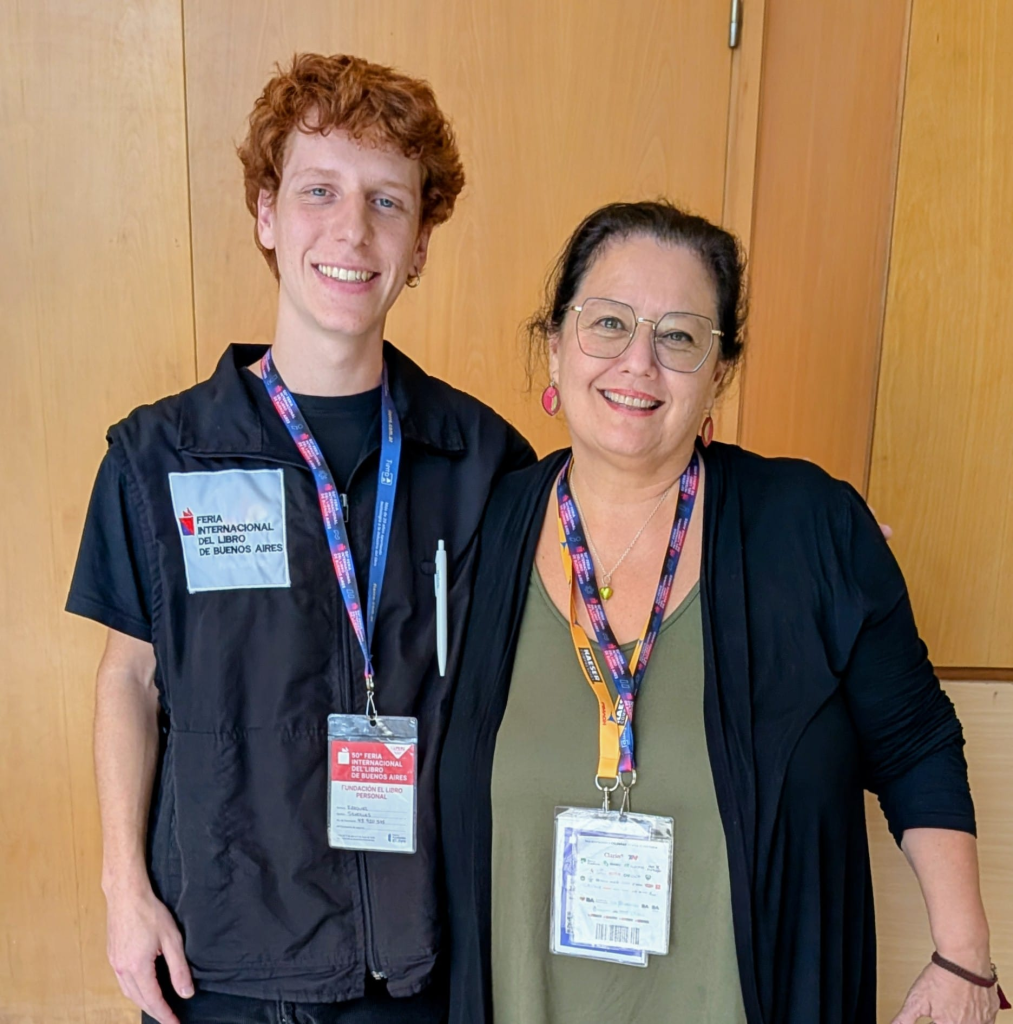
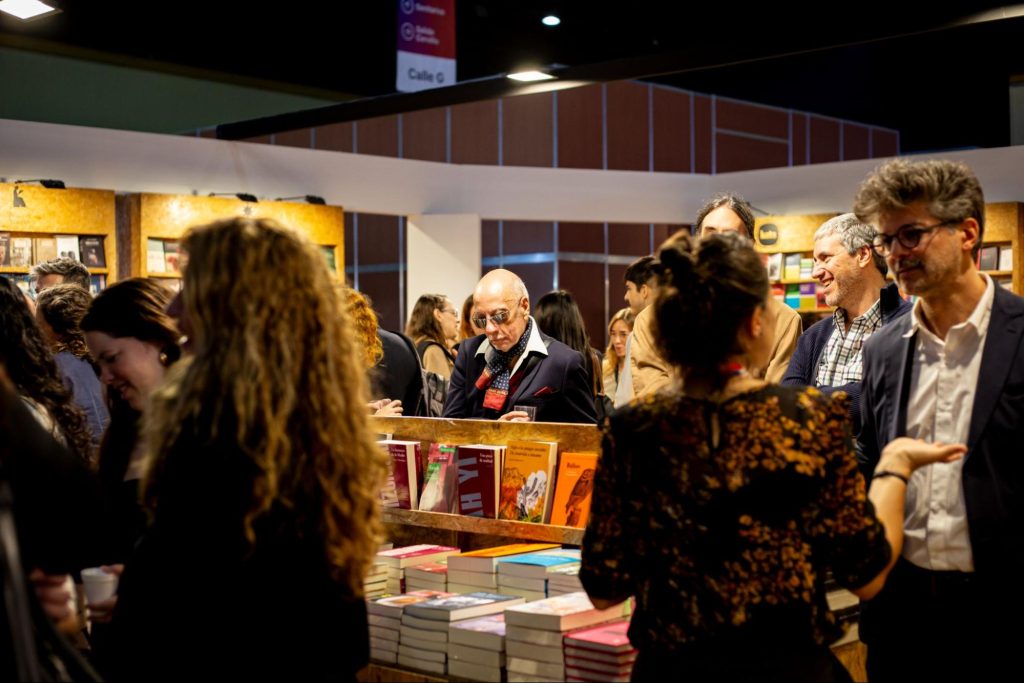
These encounters are the fair’s intimate infrastructure — brief, human moments unfolding amid the surrounding bustle. Some have already become interviews; others are on their way via the fair’s press office. Soon these voices will travel on air, in Spanish and/or English, carrying the fair beyond Buenos Aires and into listening communities far from La Rural.
The Setting Matters.
Hosting the fair at La Rural Exhibition Center in Palermo, Buenos Aires connects nineteenth‑century nation‑building with twenty‑first‑century cultural production. Located in Palermo, one of Buenos Aires’ most dynamic neighborhoods, La Rural combines historic Belle Époque architecture with vast exhibition halls originally built for agriculture, machinery, and trade — industries central to Argentina’s economy.
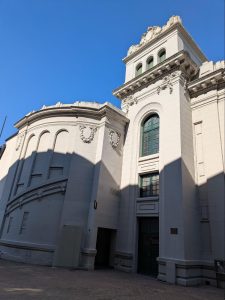
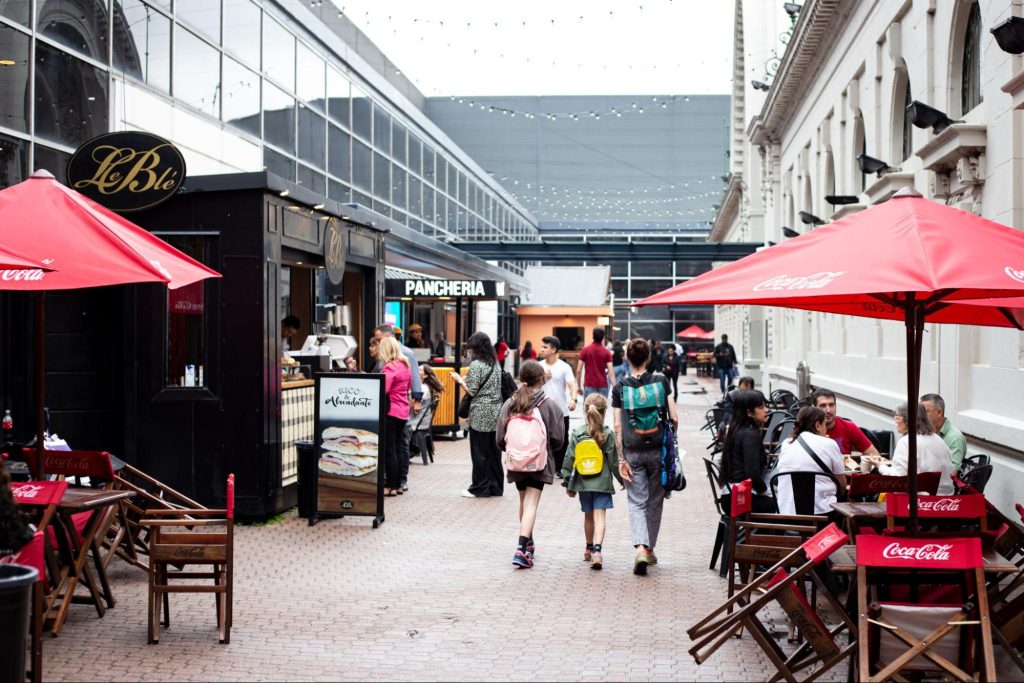
Outside, the city moves in every direction at once. Right across from the fair grounds is Plaza Italia — a transportation hub where the subway meets an endless stream of buses along Avenida Santa Fe. You’re surrounded by traffic, cafés, and crowds — intoxicating in their own way — and then La Rural suddenly appears, right at the center of Palermo’s energy. During the fair, the half‑million‑square‑foot venue becomes a literary magnet: publishing imprints, exhibitors, readers of all ages, professionals, and curious wanderers. It feels like a controlled sprawl — national pavilions, independent presses, university publishers, children’s literature zones, and rooms named after Argentine writers. Navigation is intentionally imperfect. Getting lost is part of the experience.
The Work Behind the Words
I arrived three days before the official opening and immersed myself in the professional and educational tracks. There, I saw the fair’s backbone up close — publishers negotiating rights, librarians talking about access and preservation, educators grappling with literacy in uneven economies. The audience was academic and industry‑focused, but the message was civic. Books weren’t framed as products, but as public infrastructure. I was all in.
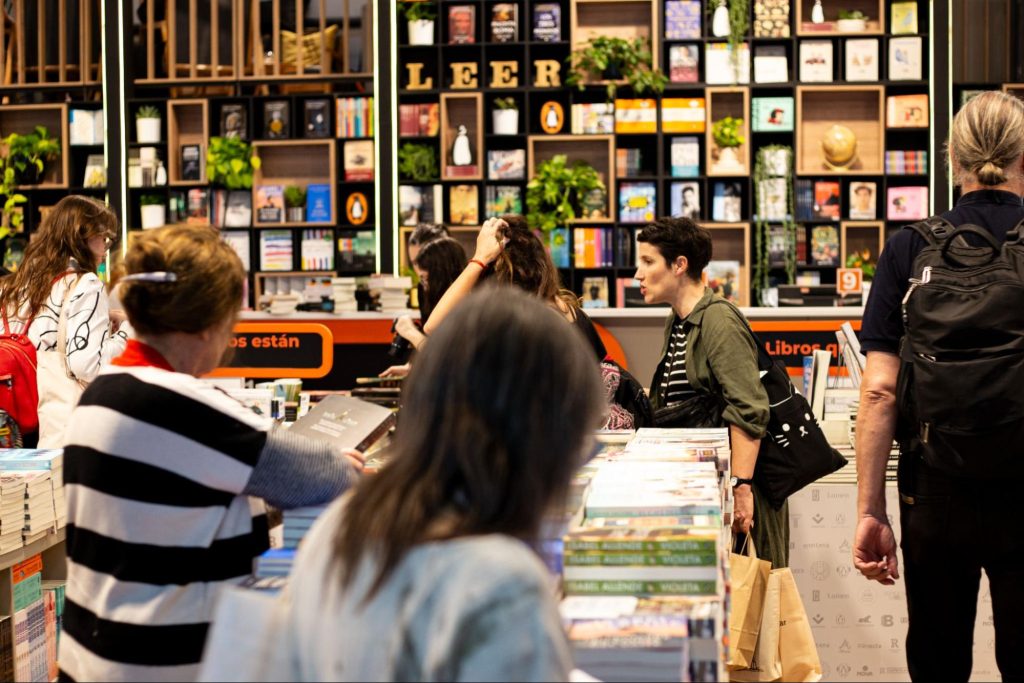
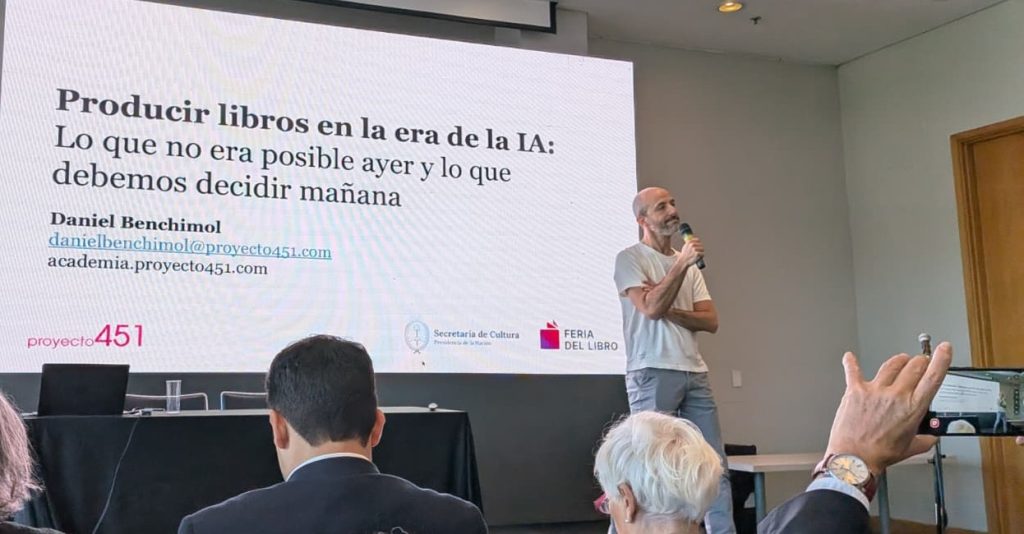
Across those sessions, one thing became impossible to ignore: AI was everywhere. In education panels, in publishing workshops, in conversations about libraries, translation, and rights. Sometimes it was the headline. Other times, it hovered just above the discussion. More than once, someone said it out loud: “No one really talks about AI — but everyone is doing it.” What stood out was how careful the tone was. These weren’t tech pitches. They were conversations about ethics, authorship, labor, and what — and whom — should stay at the center of cultural work.
Memory Is Everywhere
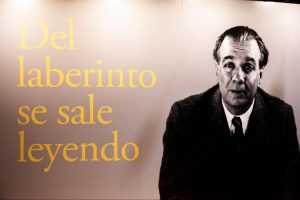
Because this was the fair’s fiftieth anniversary, the past kept resurfacing — most notably through Jorge Luis Borges. He appeared in two forms: as a literary figure people remember, and as an idea about how stories work. An interactive labyrinth invited visitors into mirrors and disorienting paths — very Borges — where nothing is straightforward and meaning keeps shifting. Forty years after his death, the installation suggested that Borges isn’t past at all — he’s a way of reading the present.
In another hall, an exhibit titled Planned Censorship (Censura Planificada) displayed “forbidden books” — works silenced during Argentina’s last dictatorship. It was a reminder that reading hasn’t always been safe, and that books can be powerful, even dangerous. The display wasn’t nostalgic; it was a warning. Access to texts can be restricted, erased, controlled. Framed within the fair theme of “memory and future” it made clear that past censorship still shapes today’s conversations about power, knowledge, and freedom. Together, the message landed unmistakably: memory and storytelling shape freedom — and neither can be taken for granted.
Honoring Peru, Remembering Vargas Llosa, Listening to Páez
For the first time, the guest of honor was a country rather than a city: Peru. Its pavilion highlighted literary vanguards and Indigenous languages, while offering a moving tribute to Mario Vargas Llosa, whose death in 2025 shaped much of the fair’s emotional tone. Panels and installations traced his influence across Latin America and his lasting bond with Buenos Aires.
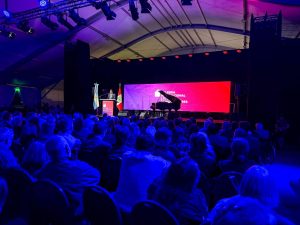
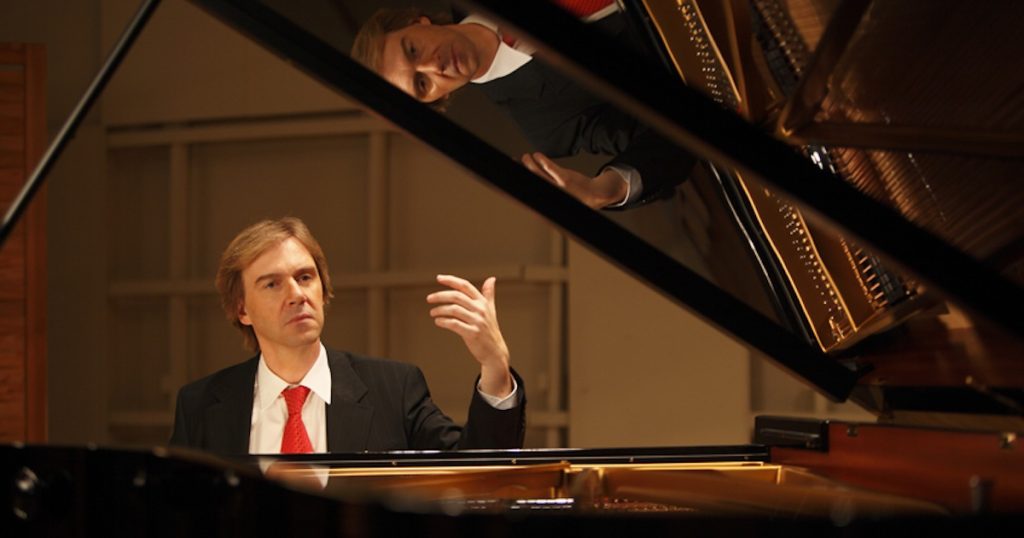
The opening ceremony set the tone with none other than Argentine icon Fito Páez. He delivered an eclectic set list that moved from Charly García to folk and tango classics. Páez’s unannounced piano performance blurred the line between music and literature — capturing the spirit of the fair itself: words can sing, songs can argue, and books can intervene.

A Doorway Into What’s Next
My first press trip was, in a word, transformative. I came back carrying ideas, inspiration, and the unmistakable feeling of belonging to a larger literary community. Fifty years in, the 2026 Buenos Aires International Book Fair doesn’t hide its contradictions. It puts them onstage. And somewhere inside that maze — microphone in hand, stories waiting — the work is only just beginning.
Tanya Zabalegui is a bilingual radio host, producer, and writer whose work centers music, culture, and the stories that bring people together. At KUCI 88.9 FM, she hosts Oldies en Español and creates literary and cultural programming featuring Latin American and Spanish authors, artists, and cultural creators across audio and digital platforms. Contact: tanyaz@kuci.edu and aquitanyaz.com


Continue reading